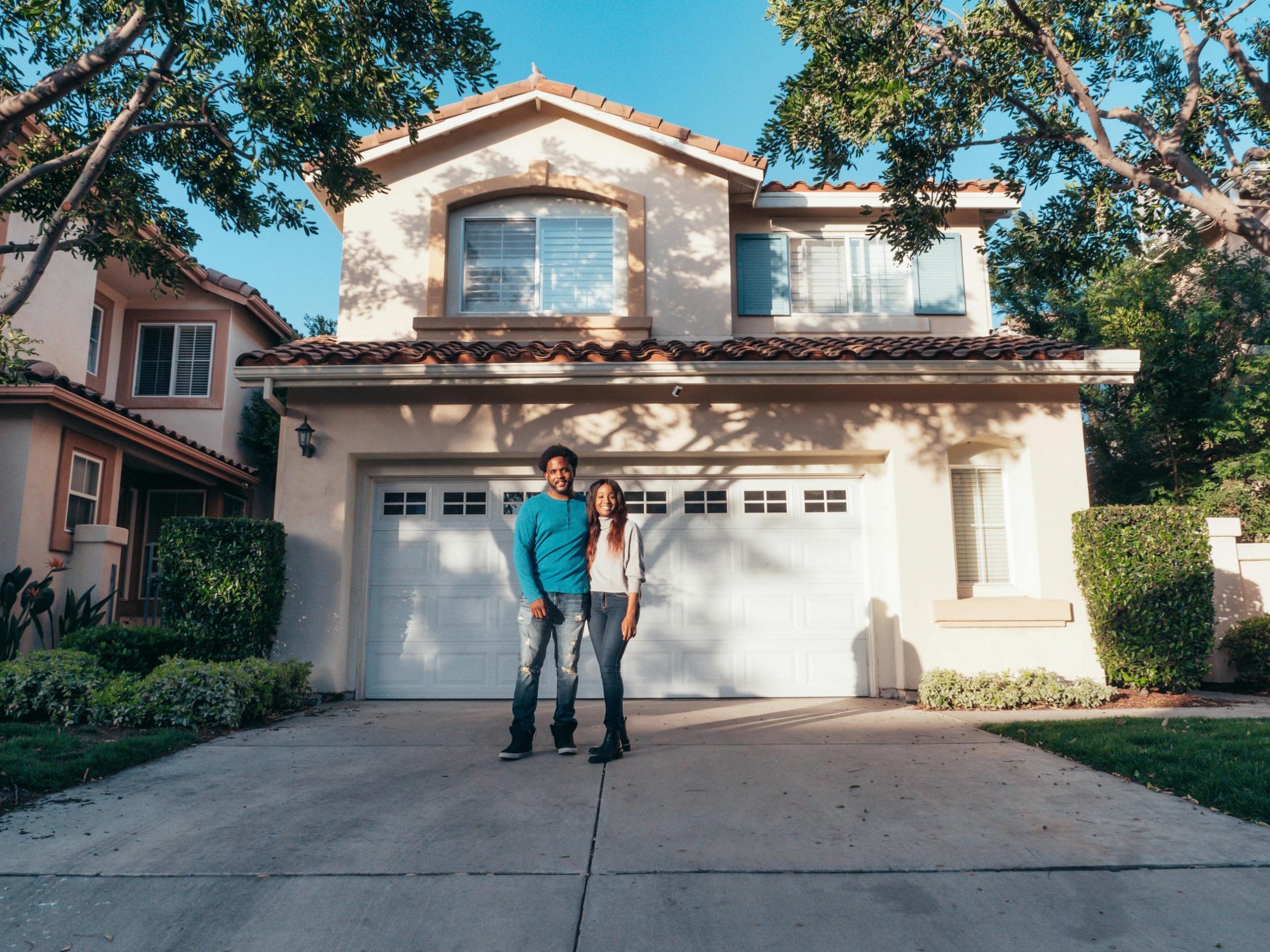
Homeowners often focus on cosmetics during exterior renovations, like selecting modern paint shades, siding styles, and porch fixtures. However, aesthetics should not be the sole focus. Your home’s exterior is a protective barrier against nature’s forces, such as UV radiation, rain, and pests. If the underlying structure is weak, moisture can damage your home’s framing, insulation, and foundation. Prioritizing structural durability in upgrades involves a comprehensive approach. Using high-quality materials and proper installation ensures a low-maintenance, weather-resistant home.
Advanced Shingle and Underlayment Strategies
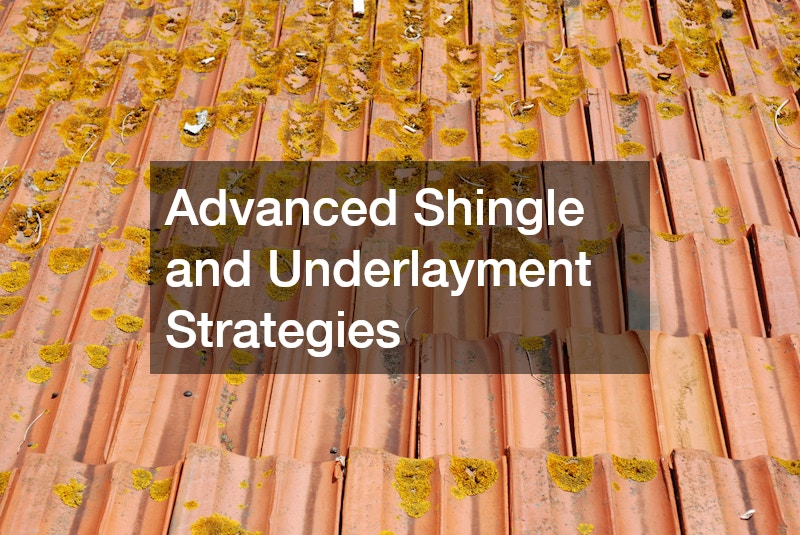
A durable roof system is much more than just the visible shingles. Long-term resilience depends entirely on what lies beneath the surface and how the system handles severe weather impacts.
- Insist on Synthetic Underlayment: Standard felt paper tears easily during installation and degrades quickly over time. Modern woven synthetic underlayments offer vastly superior tear strength, act as a secondary water barrier, and do not rot when exposed to moisture.
- Protect Vulnerable Valleys with Ice and Water Shields: Roof valleys, eaves, and penetrations like chimneys are primary failure points. Installing a self-adhering, rubberized asphalt membrane in these locations creates a watertight seal that prevents water backup from clogged gutters or ice dams.
- Assess the Roof Decking First: Laying new materials over rotted or sagging plywood is a recipe for catastrophic structural failure. Hiring certified residential roofers to thoroughly inspect, repair, and reinforce your wooden roof decking ensures a flat, stable foundation that will support your new roof for its entire lifespan.
Upgrading Structural Openings for Draft and Moisture Control
Windows and doors represent major punctures in your building envelope. If these openings are not structurally sound and perfectly sealed, they become immediate pathways for energy loss and structural rot.
- Focus on Structural Framing Headers: Over time, heavy snow loads or structural settling can cause the wooden headers above your windows to sag. When replacing windows, a structural assessment must verify that the framing is square, plumb, and capable of transferring loads evenly around the window opening.
- Select High-Performance Frame Materials: While vinyl is affordable, composite or fiberglass window frames offer vastly superior structural rigidity. They expand and contract at nearly the same rate as the surrounding glass, which prevents the perimeter seals from breaking and leaking air or moisture over time.
- Prioritize Professional Alignment: A window that is slightly out of plumb will place uneven stress on its operational hardware, leading to premature mechanical failure and broken weatherstripping seals. Working with experienced window contractors ensures that each unit is perfectly shimmed, square, and structurally continuous with your home’s water-resistive barrier.
Modern Engineering for High-Performance Walls
Your home’s siding is its outermost skin, but the true defense mechanism sits directly behind it. The longevity of your wall framing relies heavily on a properly engineered drainage plane.
- Establish a Dedicated Rain Screen System: Directly attaching siding to a flat wall traps moisture. By installing furring strips between the house wrap and the siding, you create a small gap. This gap allows gravity to drain any water that breaches the cladding while providing an airflow channel to dry out dampness.
- Seal All Joint Penetrations with High-Grade Polyurethane: Anywhere your siding meets trim, utilities, or outdoor fixtures requires a flexible seal. Cheap acrylic caulk dries out and cracks within a few years; instead, use premium polyurethane or silicone-blend sealants that maintain elasticity through years of thermal movement.
- Understand the Importance of Proper Mechanical Fastening: Siding must never be nailed tightly against a wall, as it needs room to expand and contract. During a comprehensive siding installation, using hot-dipped galvanized or stainless steel nails ensures that the fasteners themselves will not rust away and cause panels to detach during a storm.
Preventing Cracks, Spalling, and Water Penetration
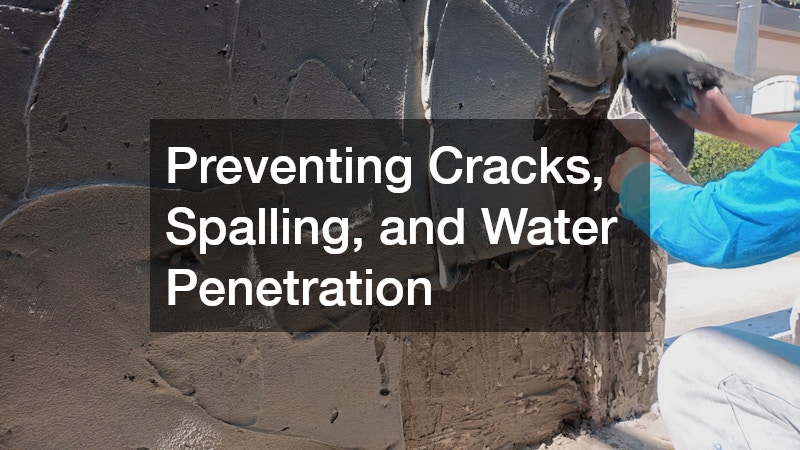
Masonry and plaster systems offer incredible durability, but their rigid nature makes them uniquely vulnerable to structural settling and moisture retention.
- Manage Hairline Fractures Immediately: Small cracks on an exterior wall are often dismissed as cosmetic blemishes, but they allow wind-driven rain to penetrate deep into the substrate. Over time, this moisture rusts out the metal lath beneath, causing large chunks of material to completely shear off the wall.
- Incorporate Expansion Joints on Large Expanses: Solid masonry walls require engineered break points. Installing vertical and horizontal expansion joints breaks up the rigid surface, allowing the wall to safely shift and flex during minor seismic activity or natural soil settling without cracking.
- Deploy Specialized Base Coats for Moisture Management: A multi-layered plaster system requires a robust, water-resistant scratch coat and brown coat to prevent moisture from reaching the framing. Relying on a skilled stucco contractor ensures that the underlying scratch coats, wire laths, and fiberglass mesh layers are applied at the exact thickness required to prevent future structural delamination.
Preparing Surfaces to Endure Decades of UV Radiation
Wood trim, fascia boards, soffits, and architectural details are highly susceptible to weathering. Left unprotected, UV rays break down the cellular structure of wood, making it spongy and highly absorbent to water.
- Utilize High-Solid Acrylic Latex Formulations: Modern topcoats should form a thick, breathable membrane. High-solid 100% acrylic latex paints offer incredible elasticity, allowing them to stretch as wood swells in the humidity and shrinks in the winter without cracking or peeling away.
- Apply Back-Priming to All Exposed Exterior Wood: When raw wood trim is installed, painting only the front surface leaves the backside open to absorbing ambient wall moisture. Back-priming—coating all six sides of a piece of wood before installation—creates a permanent barrier against hidden rot.
- Trust Professionals with Complex Chemical Systems: Different materials require highly specific chemical bonding agents. For example, painting over fibrous wood composites requires oil-based primers to prevent tannin staining, while vinyl requires special heat-reflective coatings to prevent warping. Hiring a qualified exterior painting company guarantees that the correct primers and topcoats are matched precisely to each specific material substrate on your home.
Waterproofing Subgrade Walls and Above-Ground Concrete
The concrete foundation of your home can absorb moisture from the ground through a process called capillary action. If left unprotected, this water migrates upward, rusting internal rebar and damaging interior drywall.
- Identify and Treat Efflorescence Early: If you notice a white, powdery crystalline substance on your lower masonry blocks, it means water is moving through the wall and leaving salts behind. This is an early warning sign that the existing concrete seal has failed and structural damage is imminent.
- Apply Silane or Siloxane Deep-Penetrating Sealers: Unlike surface paints that chip off, penetrating sealers sink deep into the microscopic pores of concrete and masonry. They chemically react with the minerals inside to create a hydrophobic barrier that repels water from the inside out while remaining completely vapor-permeable.
- Ensure Proper Grading Control: No chemical coating can fully compensate for standing water. The earth immediately surrounding your foundation should slope away from your home at a rate of six inches of drop over the first ten feet to ensure water moves away from vulnerable concrete surfaces.
Engineering Low-Maintenance Driveways and Walkways
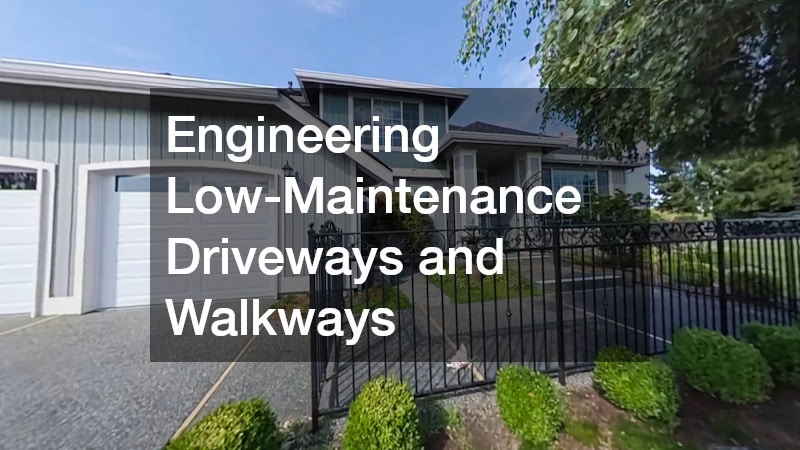
A durable hardscape is completely dependent on the structural integrity of the soil underneath it. Heavy vehicular traffic will quickly destroy surfaces built on weak, poorly drained sub-bases.
- Establish a Rigid Perimeter Border: Without a solid edge, the sides of a paver or asphalt driveway will naturally migrate outward over time, leading to edge cracking and collapse. Installing concrete curb borders or heavy-duty edge restraints keeps the entire hardscape locked tightly in place.
- Maintain a Strict Two Percent Slope Away From the Structure: Every hardscape surface must be carefully graded using professional transit levels. Maintaining a slope ensures that torrential rain runs away from your garage doors and foundation walls, mitigating the risk of structural flooding.
- Partner with Experienced Professionals: Proper grading and excavation require heavy machinery and deep geological knowledge. Retaining reputable paving services guarantees that your hardscape features integrated drainage solutions, like French drains or channel grates, to safely manage high-volume runoff.
Mitigating Freeze-Thaw Cycles on High-Traffic Areas
Asphalt is a flexible, highly durable paving option, but it is highly susceptible to weathering from water, sunlight, and chemical spills.
- Prevent the Destruction of Freeze-Thaw Cycles: Asphalt is naturally porous. When water gets into those tiny pores, freezes, and expands, it tears the asphalt binders apart from within. This internal pressure is the primary cause of deep potholes and alligator cracking.
- Protect Against UV-Driven Oxidation: Sunlight bakes the essential oils out of fresh asphalt, turning it from rich black to a brittle, light gray. Once oxidized, the surface loses its flexibility and cracks easily under the weight of standard passenger vehicles.
- Commit to a Regular Preventative Maintenance Schedule: Treating your driveway with a commercial-grade sealcoating service every two to three years fills minor surface voids, locks in essential oils, and creates a highly durable, fuel-resistant barrier against the elements.
Anchor Points and Deep Posts for Boundary Systems
Fences face immense lateral pressure from high winds. A poorly built fence acts like a giant sail, using wind force to rip its own support posts right out of the ground.
- Bury Fence Posts Below the Local Frost Line: If a fence post is buried too shallowly, moisture in the soil will freeze beneath the post and physically push it upward out of the ground. This process, known as frost heaves, will quickly leave your fence line crooked and structurally unstable.
- Use Heavy-Duty Corrosive-Resistant Fasteners: Structural fence failure frequently occurs at the connection points where rails meet the posts. Using cheap interior screws will result in rust streaks and snapped heads; instead, rely on structural timber screws or hot-dipped galvanized structural nails.
- Prioritize Structural Depth Over Construction Speed: Building a perimeter wall or fence that lasts decades requires patience, specialized tools, and precise layout planning. Working with professional fence companies ensures that wind load limits are properly calculated, utility lines are safely avoided, and the posts are securely anchored to survive major storms.
Eliminating Root Intrusion and Overhanging Hazards
Mature trees add incredible beauty and shade to your property, but their immense size and hidden root systems pose significant structural threats to your home’s foundation and roofline.
- Mitigate Under-Ground Root Intrusion: Fast-growing, invasive tree roots will naturally seek out moisture. They can easily push through minor cracks in foundation walls, break apart underground sewer connections, and lift heavy concrete sidewalks.
- Identify Invisible Internal Tree Rot: A tree can look perfectly green on the outside while its core trunk is completely rotted out by fungus or pests. During a massive storm, these structurally compromised trees can snap at the base and fall directly onto your home.
- Implement Proactive Biological Management: Pruning mature trees requires deep knowledge of tree biology to avoid killing the plant or leaving it unbalanced. Scheduling recurring maintenance with professional tree services allows you to safely eliminate hazardous deadwood, balance structural canopies, and protect your home from sudden impact damage.
Orchestrating the Renovation

A major exterior overhaul involves multiple moving parts, various material delivery schedules, and multiple specialized teams working around your property at the same time. To maximize your investment and ensure structural integrity, you must execute your renovation in a logical, calculated sequence.
- Execute Heavy and Destructive Work First: Always schedule heavy tree work, structural roof replacement, and window installations at the very beginning of your project. Bringing massive bucket trucks, heavy ladders, and bulky materials onto your property after you have poured a brand-new driveway or applied fresh exterior paint will inevitably result in accidental structural damage.
- Coordinate the Building Envelope Overlaps: The transition zones where different systems meet—such as where the roof flashing meets the top of your siding—require careful coordination. If the siding team finishes their work before the roofing team installs the step flashing, the water barrier will be broken, leading to hidden leaks.
- Maintain Single-Point Accountability for Complex Projects: Trying to manage five or six independent trade crews on your own often leads to miscommunication, scheduling delays, and finger-pointing when a mistake happens. Hiring an experienced general contractor provides you with a single point of professional contact who can expertly manage the timeline, ensure strict building code compliance, and guarantee that every individual phase of the structural renovation seamlessly integrates with the next.
Upgrading your home’s exterior is a significant financial investment. While watching your home transform is exciting, true satisfaction comes from knowing that your beautiful new facade has structural integrity. By addressing every zone of your exterior, you create a durable fortress. This protects your interior, reduces maintenance costs, and prevents expensive emergency repairs. Spend time this weekend examining your property. Check the roofline for sagging, caulking around windows, siding joints for gaps, and pooling water along your driveway. Identify weaknesses, consult specialists, and develop a fortification plan to protect your home and investment.