
A home’s exterior shapes the first impression visitors, neighbors, and potential buyers receive before they ever step through the front door. Improving curb appeal does not always require a complete renovation. In many cases, a series of well-planned maintenance projects and targeted upgrades can make the property look cleaner, more cohesive, and better cared for. The key is to evaluate the exterior from top to bottom so that visible improvements also support the home’s long-term condition.
Roofing, siding, gutters, trees, pavement, and the garage all contribute to how the property looks from the street. When one area appears neglected, it can distract from improvements elsewhere. Coordinating projects can also help homeowners avoid redoing work or damaging newly finished surfaces. A thoughtful plan makes it easier to prioritize repairs, update aging materials, and create a more polished appearance. Starting with the roof and working toward the driveway provides a practical way to assess the entire exterior while keeping function, maintenance, and curb appeal connected.
Start With the Roof
The roof is one of the largest visible surfaces on a home, so its condition has a major effect on overall appearance. Missing shingles, dark streaks, sagging areas, damaged flashing, or uneven edges can make the exterior look older even when the rest of the property is in good shape. Because many roofing problems begin in places that are difficult to see from the ground, regular evaluations are important.
Professional roof inspection services can help identify signs of wear, moisture intrusion, storm damage, and aging materials before problems become more extensive. An inspection can also give homeowners a clearer picture of the roof’s remaining service life and whether maintenance should be scheduled soon.
When problems are limited, roof repairs may be enough to address damaged shingles, flashing, vents, or other localized issues. Prompt attention can help prevent water from reaching decking, insulation, ceilings, or walls. Repairs can also improve the roof’s appearance by correcting sections that look noticeably worn or uneven.
Older roofs with widespread deterioration may eventually require roof replacements. Selecting materials that coordinate with siding, trim, and other exterior features can create a more unified look. Homeowners should also consider durability, climate, maintenance needs, and architectural style rather than choosing a roof color based only on current trends. A roof that complements the home can provide a strong visual foundation for every other curb appeal project.
Refresh Siding and Exterior Walls
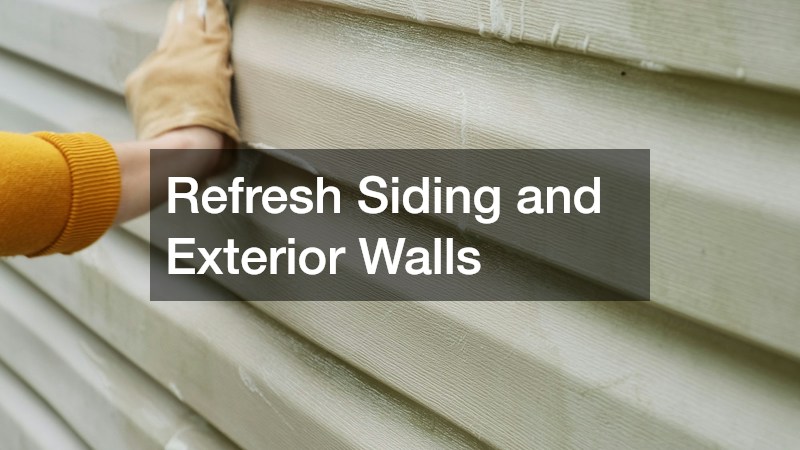
Siding covers a large portion of the home and immediately influences how clean, modern, or dated the property appears. Fading, cracks, warping, loose panels, stains, and mismatched repairs can all affect curb appeal. Homeowners should inspect siding periodically, especially after severe weather or when moisture problems appear around exterior walls.
In some cases, cleaning and small repairs can restore the surface. Other homes may benefit from siding installation when the existing material is heavily damaged, difficult to maintain, or no longer performing as intended. New siding allows homeowners to reconsider the exterior color palette and choose a finish that coordinates with the roof, garage door, trim, and landscaping.
Material choice should account for more than appearance. Maintenance requirements, moisture resistance, durability, and local weather conditions can affect how well siding performs over time. Proper installation around windows, doors, vents, and corners is also important because these transitions can become vulnerable to water intrusion.
Homeowners do not need to choose dramatic colors to make a noticeable difference. A balanced combination of siding, trim, shutters, and entry details can create depth without making the exterior feel busy. Keeping the palette consistent across the property helps individual improvements look intentional rather than unrelated.
Improve Drainage With Updated Gutters
Gutters may not be the first feature people notice, but damaged, sagging, stained, or poorly positioned gutters can undermine an otherwise attractive exterior. More importantly, the system helps control roof runoff and direct water away from siding, foundations, walkways, and landscaping.
Gutter installation may be worth considering when existing sections leak, pull away from the fascia, overflow frequently, or no longer handle rainfall effectively. The size, material, downspout placement, and roof configuration should all be considered when planning an updated system. Gutters should blend with the roofline and trim rather than drawing unnecessary attention.
Routine cleaning remains important even when the system is relatively new. Leaves, twigs, shingle granules, and other debris can block water flow and contribute to overflow. Homeowners should also check that downspouts discharge water far enough from the foundation and do not create erosion or icy patches near walking surfaces.
Trees close to the house can increase gutter maintenance needs, which is another reason to look at drainage and landscaping together. Properly maintained gutters protect more visible exterior improvements from repeated moisture exposure. By treating the gutter system as part of the overall design rather than an afterthought, homeowners can improve both function and the finished appearance of the roofline.
Manage Trees to Open Up the Property
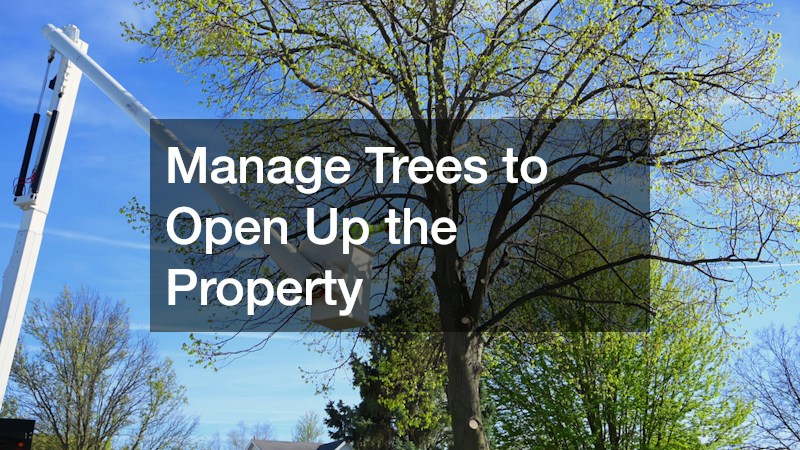
Healthy trees can make a property feel established and inviting, but overgrown branches or poorly positioned trees may hide architectural details, block natural light, scrape against the roof, or crowd walkways. Thoughtful tree care can improve visibility and make the exterior feel more open without removing the character mature landscaping provides.
Tree trimming services can help address branches that have become too close to the house, driveway, utility lines, or neighboring properties. Strategic pruning may also improve sightlines from the street and reveal attractive portions of the facade that were previously hidden. Trimming should be based on the tree’s health and structure rather than simply cutting branches back as far as possible.
Some situations require more extensive action. Local tree removal services may be appropriate when a tree is dead, seriously damaged, unstable, or located where it interferes with planned improvements. Removing a problematic tree can create room for new landscaping, improve access to the driveway, or reduce conflicts with roofing and gutter systems.
Homeowners should consider what will replace any tree that is removed. A smaller ornamental tree, shrubs, or a new planting bed can prevent the area from looking empty. Coordinating tree care with lawn and landscape improvements helps preserve shade, privacy, and visual balance while making the home more visible and approachable.
Repair and Upgrade the Garage Exterior
Because many garages face the street, the garage door can take up a significant portion of the home’s visible facade. Dents, peeling finishes, uneven movement, damaged panels, or worn hardware can quickly make the exterior look neglected. Maintenance should address both appearance and operation.
Garage door repairs can correct mechanical and cosmetic problems that affect daily use. Homeowners should pay attention to unusual sounds, jerky movement, gaps, damaged weather seals, and doors that do not open or close evenly. Addressing problems early may prevent additional strain on tracks, rollers, openers, and other components.
If the door remains structurally sound, a thorough cleaning, fresh finish, updated hardware, or new exterior lighting may be enough to improve its appearance. The garage door color should coordinate with the home rather than compete with the front entry or other architectural details.
The garage floor is another area that can benefit from attention, particularly when the door is frequently left open. Garage coating services can create a cleaner, more finished surface while helping protect concrete from stains and everyday wear. A neat floor, organized storage, and a well-maintained door make the garage feel like a purposeful part of the property instead of a separate utility space.
Improve the Driveway and Approach
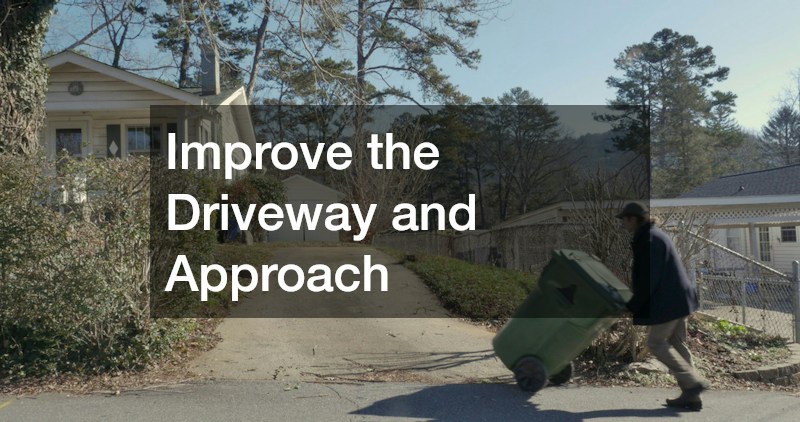
The driveway creates a visual path from the street to the home, making its condition important to curb appeal. Cracks, potholes, crumbling edges, stains, and uneven patches can stand out even when landscaping and exterior finishes are well maintained.
Local asphalt paving companies can evaluate existing pavement and recommend repairs, resurfacing, or replacement based on its condition. Homeowners should address drainage problems at the same time because standing water can contribute to deterioration and create an untidy appearance. The transition between the street, driveway, garage, and walkways should feel smooth and deliberate.
Edge maintenance can also make a substantial visual difference. Grass and weeds that spread over pavement create irregular lines, while clearly defined edges make the driveway look cleaner. Landscaping along the drive should provide interest without obstructing visibility for drivers or creating constant debris on the pavement.
Homeowners may also consider how the driveway relates to nearby walkways. Coordinating materials or complementary colors can visually connect parking areas with the front entrance. Exterior lighting placed along the route can improve nighttime visibility and highlight landscaping without overpowering the property.
A clean, even driveway does more than provide vehicle access. Because it occupies a large portion of many front yards, improving it can immediately make the property look more orderly and complete.
Small details around the driveway can reinforce the improvement. Cleaning oil stains, repairing curbs, refreshing mailbox posts, and keeping drainage channels clear can make the approach look more deliberate. If the driveway meets a walkway or front steps, those transitions should be inspected for uneven surfaces or mismatched materials. Simple adjustments, such as redefining borders or replacing damaged edging, can create cleaner lines. These finishing touches help connect the driveway with the rest of the exterior instead of leaving it visually separate.
Coordinate Landscaping With Exterior Improvements
Landscaping helps connect the house, driveway, and surrounding property. Even attractive plantings can look disorganized when they block windows, crowd siding, or vary dramatically in size and style. A simpler, well-maintained layout often creates stronger curb appeal than a crowded collection of plants.
Begin by removing dead growth, weeds, fallen branches, and plants that have outgrown their locations. Shrubs near the foundation should leave enough clearance for inspection and maintenance. Trees should be monitored so branches do not create repeated contact with roofing, gutters, siding, or garage structures.
Tree trimming services can be coordinated with other exterior projects so contractors have easier access before new surfaces or plantings are installed. When larger trees need to be removed, local tree removal services can complete the work before paving, roofing, or landscape renovations begin. This sequence reduces the risk of damaging completed improvements with heavy equipment.
Plant choices should reflect sunlight, soil, available space, and the amount of maintenance the homeowner is prepared to provide. Repeating a few colors or plant types can create visual consistency. Mulch, stone borders, and clearly defined beds can provide finishing details while helping control weeds and protect soil.
Exterior lighting can also support the landscape. Fixtures near paths, trees, and the entry can guide visitors and highlight important features after sunset. The goal is to frame the home rather than hide it.
Bring Every Exterior Element Together
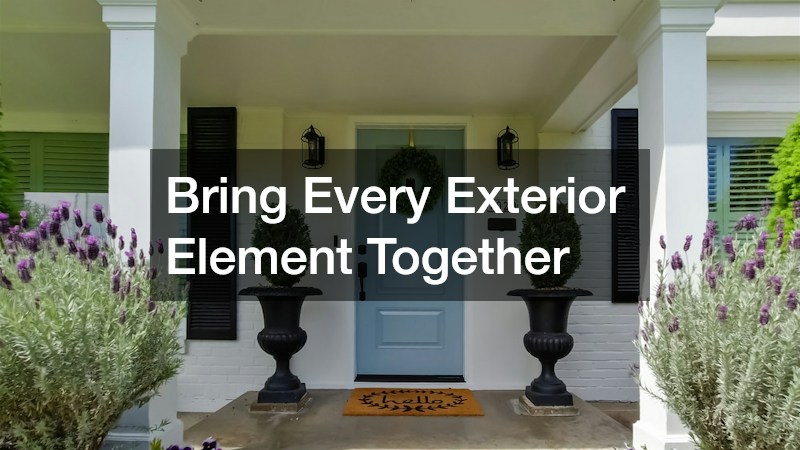
Curb appeal is strongest when individual improvements feel connected. A new roof can look out of place beside deteriorated siding, just as a freshly paved driveway may draw attention to a damaged garage door. Homeowners can avoid this problem by creating a prioritized maintenance plan before beginning major work.
Start by addressing issues that protect the structure from water and weather. Roof inspection services can clarify whether roof repairs or roof replacements should come before cosmetic updates. Gutters and siding can follow so the home’s exterior envelope is in good condition before attention shifts to landscaping, pavement, and decorative details.
Colors and materials should also be viewed together. Roofing, siding, gutters, garage doors, trim, pavement, and landscaping do not need to match, but they should create a balanced overall appearance. Keeping samples or photographs of planned materials can make it easier to compare options before purchases are finalized.
The final stage should focus on smaller details that make the property look finished. Cleaning exterior surfaces, touching up paint, updating house numbers, repairing lighting, edging planting beds, and removing clutter can reinforce larger investments without requiring another major project.
Improving curb appeal from the roof to the driveway is ultimately about consistency and maintenance. When homeowners combine practical repairs with thoughtful visual updates, each project supports the next. The result is an exterior that feels cared for, functions well, and presents the home as a cohesive property from the street.